

Last Updated: October 31, 2026
Quick Summary
Choose breathable cardio shirts made from lightweight synthetic fabrics like polyester or nylon with a small amount of spandex, since these dry quickly and move sweat away from your skin. Check the fabric content panel, look for open mesh panels and a moisture-wicking finish, and pick a fit that allows airflow without restricting your breathing.
- Cotton absorbs sweat and stays heavy, so it is a poor choice for sustained cardio.
- Polyester dries quickly and holds its shape but retains odor more than nylon.
- Nylon feels softer, resists abrasion better, and holds less odor than polyester.
- Look for mesh panels under the arms or along the back to improve airflow.
- Raise your arms and lean forward to check that a shirt fits without riding up or bunching.
Table of Contents
- Step 1: Pick the Right Fabric for Workout Shirts
- Step 2: Look for Moisture-Wicking Shirts for Cardio
- Step 3: Run a Simple At-Home Breathability Test
- Step 4: Match the Shirt to Your Activity and Climate
- Step 5: Get the Fit and Comfort Right
- Common Mistakes to Avoid When Buying and Caring for Cardio Shirts
- Booking Your Next Pick: Choosing Your Cardio Shirt Setup at JACKED N TAN
- Frequently Asked Questions
Cardio shirts take a beating that lifting shirts never see.
Lifting involves short bursts of effort with rest between sets, but cardio does not, so a set of breathable cardio shirts earns its keep.
The stakes are real. Heat stress and overheating during exercise are well documented, and the CDC guidance on heat and exercise explains why staying cool matters for performance and safety.
Step 1: Pick the Right Fabric for Workout Shirts
Fabric does most of the work when choosing breathable cardio shirts. For a deeper look at fabrics for intense training, see choosing fabrics for high-intensity workouts. Start here before you compare brands or colors.
Synthetic fibers dominate cardio gear because they handle moisture far better than natural fibers. But "synthetic" is not a single thing. Polyester, nylon, and spandex blends each behave differently, and the knit structure on top of the fiber changes the result again.
Polyester vs. Nylon Workout Shirts: What Actually Changes
Polyester and nylon are the two most common synthetics in workout tops. Both move sweat to the outer surface of the fabric, where it evaporates, but they behave differently in ways you can feel on a long cardio session.
- Polyester: Dries quickly, holds its shape well, and resists fading. It is usually the more affordable option. Its main weakness is odor retention, polyester's surface chemistry lets odor-causing bacteria cling, which is why a polyester shirt can smell stale even after washing if you routinely let it sit damp in a gym bag.
- Nylon: Feels softer and smoother, with a slightly more stretchy, silky hand. It tends to cost more. Nylon is generally more abrasion-resistant than polyester, which helps in high-friction cardio like rowing or cycling, and it tends to hold less odor, but it can feel heavier when wet and dries a touch slower than a lightweight polyester knit.
- Spandex (elastane): Rarely the main fiber, but a small percentage (commonly in the single digits to low teens) is what gives a shirt its stretch and recovery. Too little and the shirt pulls; too much and it can feel clammy and lose shape.
Neither fiber is automatically better. Polyester is a strong pick for hot, sweaty sessions where fast drying matters most, while nylon suits riders and rowers who prioritize a smooth feel and abrasion resistance.
Cotton Blends and Where They Fall Short
Cotton feels comfortable at first, but it absorbs sweat and holds onto it. Wet cotton stays heavy, clings to your body, and cools slowly. For cardio, that means a shirt that gets heavier and hotter the longer you train, the opposite of what you want when your heart rate stays elevated.
Cotton blends with polyester or spandex can work for lighter activity or casual wear. For intense cardio, prioritize shirts with a high synthetic content.
The Trade-Offs Competitors Skip
Breathability and wicking are not the only variables. A balanced choice weighs four more factors that rarely make it onto a product page:
- Odor retention: Polyester holds odor more than nylon or wool. If you sweat heavily and re-wear shirts between washes, look for odor-control treatments or nylon-forward blends, and wash promptly rather than letting damp shirts sit.
- Durability: Nylon resists abrasion better than polyester, which matters for rowing, cycling, and any cardio with friction against equipment or your own body. Lightweight polyester knits can pill and thin over repeated wash cycles.
- Skin feel: Nylon's smoother hand suits sensitive skin better than a crisp polyester knit, and a brushed or peached finish can soften polyester without sacrificing wicking.
For cardio, the fiber matters less than the combination: a lightweight polyester or nylon knit with a small spandex percentage, open mesh where you sweat most, and a finish that resists odor. Read the fabric content panel, not just the fiber name on the tag.
How to Read Fabric Content Like a Buyer
A fabric content panel tells you more than any "moisture-wicking" badge. A few patterns are worth knowing:
- "100% polyester" is common and fine for fast drying, but expect more odor retention and less stretch unless the knit itself is engineered for it.
- "88% polyester / 12% spandex" (or similar) signals four-way stretch and recovery, useful for rowing, HIIT, and any cardio with a big range of motion.
- "Nylon/spandex" blends tend to feel smoother and more abrasion-resistant, which suits cycling and rowing.
If the panel is missing or vague, treat the shirt as a casual top rather than performance gear.
The fiber you choose changes how fast a cardio shirt dries, how it handles odor, and how long it lasts.
| Fabric | Strength | Watch out for |
|---|---|---|
| Polyester | Dries quickly, holds its shape, usually more affordable | Retains odor more than nylon |
| Nylon | Softer feel, more abrasion-resistant, holds less odor | Can feel heavier when wet, dries slightly slower |
| Spandex (elastane) | Provides stretch and recovery | Too much can feel clammy and lose shape |
| Cotton blends | Comfortable at first | Absorbs sweat and stays heavy during cardio |
Step 2: Look for Moisture-Wicking Shirts for Cardio
Moisture-wicking is the feature that does the heavy lifting. A shirt can be made of the right fiber and still fail if its weave traps sweat.
Look for these signs on the product page or label:
- A "moisture-wicking" or "quick-dry" claim backed by fabric details
- Mesh panels under the arms or along the back for airflow
- A lightweight feel that does not add bulk when damp
The American College of Sports Medicine guidance on exercise clothing supports choosing fabrics that move sweat away from the skin during training.
Step 3: Run a Simple At-Home Breathability Test
Product labels can only tell you so much. You can test breathability before you train in a shirt.
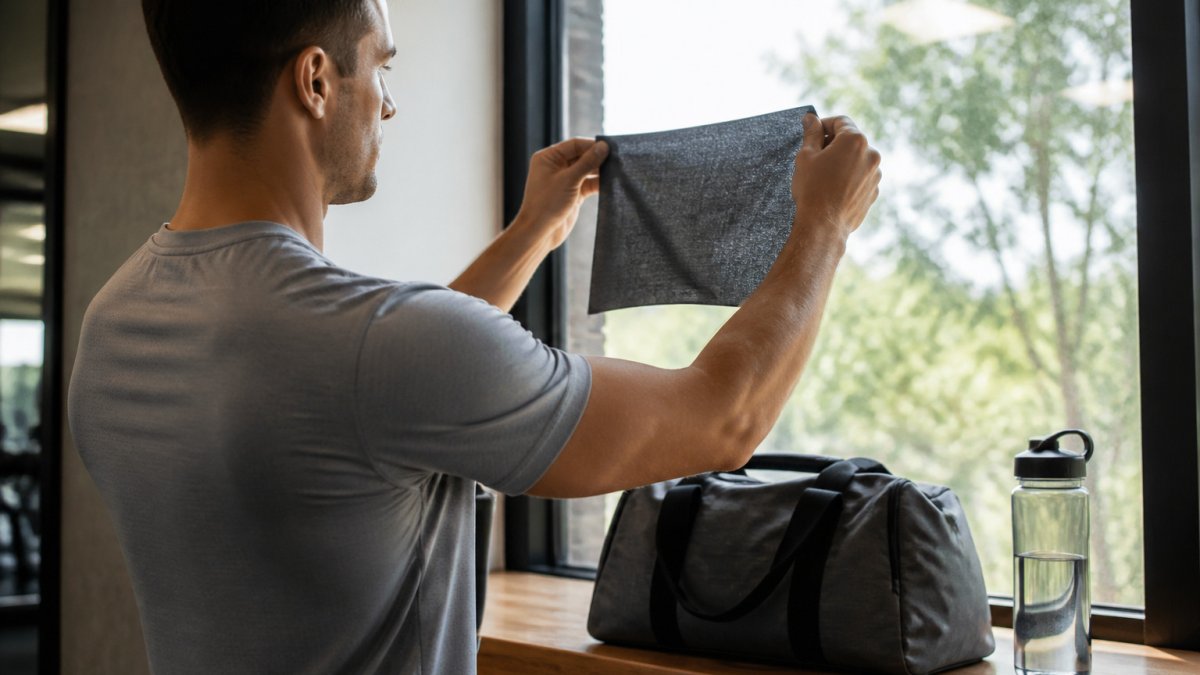
- Hold the fabric up to a bright window or lamp.
- Look for light passing through the weave. Tighter, more opaque fabrics usually breathe less.
- Stretch the fabric gently. A fabric that thins noticeably may have more airflow but less opacity.
- Wet a small corner with water and time how long it takes to dry.
Fast drying and visible openness both point to better breathability in cardio shirts. Keep in mind this test is informal and does not measure airflow in a lab.
Step 4: Match the Shirt to Your Activity and Climate
A shirt that works for a cool indoor spin class may fail on a hot outdoor run.
- Hot, humid climates: Choose lightweight, quick-dry shirts with open mesh panels.
- Cool or indoor sessions: A slightly heavier knit can add warmth without trapping heat as badly.
- High-intensity intervals: Prioritize moisture transfer and fast drying over feel.
Our JACKED N TAN Men's premium tank top is made of 100% combed ring-spun cotton and has a relaxed fit with a sleeveless drop arm. For a lightweight, breathable option for hot cardio sessions, you can browse the men's premium tank top. Its soft-washed, tight-knit mid/heavyweight material is a heavier construction than a lightweight performance knit, so it may not suit every hot cardio session.

Step 5: Get the Fit and Comfort Right
Fit affects breathability more than most people expect, and for breathable cardio shirts it can make or break the session. A shirt that clings too tightly traps heat and sweat against the skin and can restrict the rib cage during hard breathing. One that hangs too loose can bunch up, rub, and catch on equipment. The right fit is the one that lets air move while staying out of your way, and that looks different for a runner, a cyclist, and someone doing HIIT.
Fit Checks for Loose, Regular, and Close-Fitting Shirts
Rather than guessing from a size chart, run these checks in a fitting room or after a try-on at home:
- Loose fit: Raise both arms overhead and lean forward. The hem should not ride up past your waistband, and the fabric across your back should not billow so much that it catches air or snags on a rower or bike. Loose fits breathe best in still, hot conditions but can flap and chafe in wind or on equipment.
- Regular fit: Reach across your body and touch the opposite shoulder. The shirt should move with you without pulling at the armpit seam. This is the most versatile fit for mixed cardio, running, cycling, and gym intervals.
- Close fit: Take a deep breath and hold it. If the fabric across your chest or stomach tightens noticeably, size up, a close fit that restricts breathing defeats the purpose of a breathable shirt. Close fits work best for cycling and rowing, where a flapping shirt is a liability, but they leave less room for airflow, so prioritize mesh panels and lightweight knits.
A useful rule of thumb: the shirt should feel slightly roomier than a fitted t-shirt through the chest and shoulders, and the sleeves should not bind when you swing your arms. If you are between sizes, size up for hot cardio and stay true to size for cool indoor sessions.
Ventilation by Body Shape and Preference
Ventilation features are not one-size-fits-all. Where you sweat most should guide where you want mesh:
- Broader chest and shoulders: Look for mesh across the upper back and under the arms, where heat builds fastest during running and rowing.
- Larger midsection: A looser fit with side mesh panels moves air across the torso better than a tight shirt with a single back vent; avoid heavy hem bands that trap heat at the waist.
- Narrower frames: A close or regular fit with a full back mesh panel prevents the shirt from swimming in fabric while still venting heat.
Seams, Tags, and Chafing Prevention
Chafing is the quiet failure mode of cardio shirts, and it shows up on long runs and sweaty sessions rather than short ones. A few construction details prevent most of it:
- Flatlock or bonded seams lie flat against the skin and reduce friction at the armpit, side, and shoulder, the three places chafing starts.
- Tagless neck labels or printed labels eliminate the scratch at the back of the neck that gets worse as you sweat.
- Seam placement: Side seams that sit slightly forward or are replaced with a single panel reduce rubbing under the arms during arm swing.
Sensitive skin needs extra attention. Rough seams and stiff fabric can cause irritation during long sessions, so test a new shirt on a short workout first and check the armpits, nipples, and waistband afterward. A common pattern is that chafing shows up after 30-40 minutes of sustained sweat, not in the first ten, so a short test run only catches the worst offenders.
If you chafe in a shirt that otherwise fits well, a thin synthetic base layer or an anti-chafe balm at the armpits and waistband often solves it without replacing the shirt. If the shirt still rubs after that, the seam construction, not the fit, is the problem.
Common Mistakes to Avoid When Buying and Caring for Cardio Shirts
A common mistake is buying a shirt based only on looks. If you want guidance on buying tank tops that last, read how to buy high quality lifting tank tops that last. A striking design means little if the fabric traps sweat.
Other frequent errors include:
- Ignoring fabric content and relying on vague labels
- Choosing a shirt that is too tight for airflow
- Washing with fabric softener, which can coat synthetic fibers and reduce wicking
Wash your cardio shirts in cold water, skip fabric softener, and air-dry when you can. These habits help preserve moisture-wicking performance over time.
Booking Your Next Pick: Choosing Your Cardio Shirt Setup at JACKED N TAN
Start with fabric, confirm moisture-wicking, test breathability, and match your breathable cardio shirts to your climate and training style. JACKED N TAN designs its premium training apparel for riders who want comfort and confidence in every session, whether you are chasing intervals or long runs. Shop the drop and find the cardio shirt that keeps you cool when the work gets hard.
Frequently Asked Questions
What's a good breathable fabric for button-down shirts?
For button-down shirts, look for lightweight woven cotton or cotton-linen blends if you are wearing them casually or to a warm-weather office. These fabrics allow air to move through the weave. For cardio, though, a button-down is rarely the right choice because the collar, buttons and structured fit restrict movement and trap heat. If you want a collared look for after your workout, wear a breathable performance tee to train and change into the button-down afterward. Check the care label for shrinkage before buying cotton blends.
Can I wear a regular shirt for cardio?
You can, but a standard cotton tee usually performs poorly for cardio. Cotton absorbs sweat and holds it against your skin, so the shirt becomes heavy, cold in air-conditioned gyms and slow to dry. A synthetic performance shirt made from polyester or a polyester blend moves moisture to the outside of the fabric, where it evaporates faster. If a cotton shirt is all you have for a short session, choose a lightweight, loose-fitting one and expect it to feel wet by the end.
Is nylon good for working out?
Nylon is a good choice for workout shirts when you want softness, a smooth hand feel and good stretch. It is typically blended with spandex or elastane to add four-way stretch. Compared with polyester, nylon tends to feel softer against the skin, but it can hold odor more readily and may be less breathable in heavy blends. It also has trade-offs in heat and abrasion resistance. For high-sweat cardio, a polyester-based shirt often dries faster, while a nylon blend may suit lower-intensity sessions where comfort matters most.
Should a cardio shirt fit loosely or snugly?
A cardio shirt should fit close enough that it does not flap or catch on equipment, but loose enough to allow air to circulate across the skin. A fitted cut reduces wind and tugging on the fabric, while a relaxed cut creates more ventilation. Shirts with mesh panels or underarm vents can allow a slightly closer fit without sacrificing airflow. Check the shoulder and chest measurements against the size guide, and avoid shirts so tight that the fabric stretches thin or rides up during movement.
