

Table of Contents
- How to Choose Workout Clothes That Actually Perform
- The Best Fabric for Gym Clothes: Breathability and Stretch
- How to Tell If Gym Clothes Are Good Quality
- Gym Clothes Care Tips to Extend Gear Lifespan
- Building a Complete Gym Gear Checklist Beyond Clothing
- Budget Tiers and Cost Per Wear for the Best Gym Gear
- Conclusion: Investing in the Best Gym Gear for Your Goals
- Frequently Asked Questions
Last Updated: October 9, 2026
How to Choose Workout Clothes That Actually Perform
Learning how to find best gym gear starts with one rule: buy for the movement, not the mirror. Workout clothes that perform share three traits: sweat-moving fabric, a fit that follows your joints through a full range of motion, and construction that survives repeated washing.
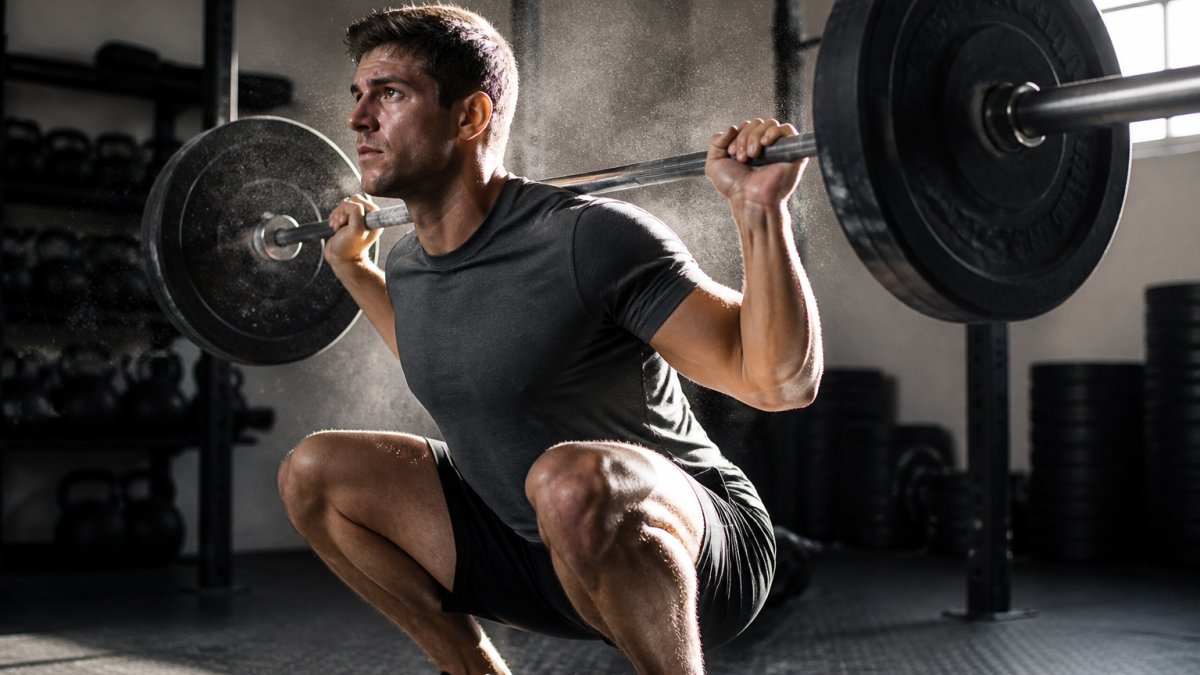
Match Your Gear to Your Training Type
Training type dictates fabric weight. Heavy lifting calls for mid-weight cotton blends that hold shape under a bar; intervals and hot yoga call for lighter, quick-dry synthetics. Rotate instead of buying one uniform for every session: heavier knits for strength days, lighter tops for conditioning days, which extends how long every piece lasts.
Fit, Comfort, and Freedom of Movement
Fit beats size on the label every time. Check three zones before you commit: shoulders (seams sit on the joint, not past it), chest (room to breathe without billowing), and hem (stays put when you raise your arms overhead). Our Men's Long Sleeve Shirt uses a classic fit with rib cuffs and taped neck and shoulders, so the collar holds up during overhead presses.

The Best Fabric for Gym Clothes: Breathability and Stretch
There is no single best fabric for gym clothes, because performance is relative to the session.
Start with the fiber. Here is how the common options actually behave:
- 100% cotton: Breathes well, holds shape, feels substantial. Absorbs sweat instead of moving it, so it gets heavy and dries slowly. Best for strength training, casual gym sessions, and cooler rooms.
- Polyester and polyester blends: Hydrophobic, pushing moisture to the surface to evaporate. Dries fast and stays light. Downside is odor retention, polyester holds oils that bacteria feed on, so some synthetics smell after a single session even when clean.
- Cotton-poly blends: The practical middle. Cotton supplies comfort and structure; polyester supplies wicking and dry time. A 50/50 or 60/40 blend is a reasonable default for mixed training.
Fabric weight matters as much as fiber. Knits are measured in grams per square meter (GSM). Lightweight knits (roughly 120 to 150 GSM) are cool and quick-drying but go sheer when stretched.
Knit structure is the third variable. Open weaves and mesh panels vent heat but snag easily; tight, dense knits resist pilling but breathe less.
Match Fabric to Activity and Environment
Use the session, not the season, to pick your fabric:
- Heavy strength training: Mid-weight cotton or cotton-poly blend. You want structure that holds shape under a bar, abrasion resistance where the bar and belt contact fabric, and enough weight that the shirt does not ride up during overhead work.
- Cardio and HIIT: Lightweight polyester or poly-blend with mesh ventilation zones. Prioritize dry time and low cling. Expect a shorter lifespan because thin knits abrade faster.
- Yoga and mobility work: Four-way stretch blends with high spandex content. Coverage matters more than wicking here, check opacity in a forward fold before you buy.
- Outdoor training in heat: Lightweight, light-colored, open-weave synthetics. Light colors reflect heat; open weaves vent it. Avoid dark heavyweight cotton, which holds sweat against your skin.
The Scrunch Test and Fabric Recovery
Grab a fistful of fabric, squeeze for five seconds, then release. Quality knits snap back flat within a second or two. Fabric that stays wrinkled, or shows a faint outline of your hand, has poor recovery and will sag at the knees and elbows within weeks.
Run the same test on waistbands and cuffs, where recovery matters most. A stretched-out waistband slides down mid-set; a flared cuff won't hold a sleeve in place during overhead presses.
How to Tell If Gym Clothes Are Good Quality
Good quality gym clothes show it in three places: stitching, seams, and how the fabric behaves under load. Flip the garment inside out. You want double-needle stitching at stress points, flat seams that won't chafe, and no loose thread tails. Our Short-Sleeve Unisex T-Shirt uses double stitching at the neckline and sleeves, with shoulder-to-shoulder taping, reinforcement that survives heavy training.

Stitching, Seams, and the Squat Test
The squat test is the fastest quality check you can run in a fitting room. Squat deep, then check opacity (can you see light through the fabric?) and seam stress (any pulling or popping?). If the fabric turns translucent or seams strain, size up or choose a heavier knit. For leggings and shorts, do the same at the hip and inner thigh, where most failures start.
Gym Clothes Care Tips to Extend Gear Lifespan
Most care advice says wash cold and skip the dryer. That's correct but incomplete. The real question is how many wash cycles a garment survives before performance degrades, and how to tell when it has crossed that line.
What Actually Wears Out Gym Clothes
Four forces do the damage, and they compound:
- Heat. Warm water and dryer heat relax spandex fibers and shrink cotton. Once spandex loses its memory, the garment sags and stops recovering, the biggest killer of stretch gear.
- Mechanical abrasion. Dryer tumbling, rubbing against other garments, and friction from zippers and velcro break down knit surfaces. Pilling is abrasion made visible.
- Chemical residue. Fabric softener and dryer sheets coat fibers with a waxy film. On moisture-wicking synthetics, that film blocks the capillary action that moves sweat to the surface, so the garment stops wicking even though it looks fine.
- Lint transfer. Washing gym wear with heavy cotton towels adds lint and friction. Prints pill and fade faster, and dark fabrics pick up visible lint.
A Wash Routine That Preserves Performance
- Wash cold, on a gentle or normal cycle. Cold water protects spandex and slows dye loss.
- Turn garments inside out. This puts abrasion on the inside surface, protecting prints, logos, and the outer face of the fabric.
- Use a mesh laundry bag for anything with a print, a zipper, or a delicate knit, isolating it from zippers and velcro on other items.
- Skip fabric softener and dryer sheets entirely. For softer fabric, use a little white vinegar in the rinse cycle instead, it strips detergent residue without coating fibers.
How to Tell When Gear Is Actually Worn Out
Gear does not fail all at once. Watch for these signals, in roughly the order they appear:
- Waistbands and cuffs stop snapping back. The elastic has lost its memory, and the garment will start sliding during movement.
- Fabric turns sheer at stress points. Hold it to a light and stretch gently across the knees, seat, and shoulders. If light passes through where it did not before, the knit has thinned.
- Seams start to pull or pucker. Stitching that once lay flat now shows tension, the last stage before a blowout.
- Persistent odor after washing. Bacteria have colonized the fabric. A vinegar soak can sometimes reset it; if not, the garment is done.
Cost Per Wear: The Lifespan Math
Lifespan is the missing variable in every gear comparison. A garment's true cost is its price divided by the wears before it fails.
The takeaway: buy fewer pieces, rotate them, and treat wash cycles, not workouts, as the wear unit. A shirt worn twice between washes accumulates half the wash cycles of one worn once. Rotation is the cheapest durability upgrade available.
Building a Complete Gym Gear Checklist Beyond Clothing
Clothing is only half the kit. A complete gym gear checklist covers what you carry, wear, and replace on a schedule:
- Two to three training tops (rotate to reduce wash wear)
- One mid-weight hoodie for warm-ups and post-training
- Two pairs of shorts or leggings with four-way stretch
- A supportive sports bra or compression layer
That last item matters more than people think. Damp clothing left in a sealed bag grows odor fast, and odor is the top reason people retire otherwise-fine gear early.
Budget Tiers and Cost Per Wear for the Best Gym Gear
Cost per wear is the honest way to compare gym gear. Here's how we break down the tiers:
| Tier | Typical Price Range | What You Get | Best For |
|---|---|---|---|
| Budget | Under $20 | Basic cotton, single stitching | Casual gym-goers, backup pieces |
| Mid-Range | $20-$35 | Ring-spun cotton, double stitching, better fit | Most lifters, daily rotation |
| Premium | $35-$50 | Heavier knits, reinforced seams, shape retention | Heavy training, frequent washing |
Our apparel sits in the mid-to-premium range: $18.88 for the Short-Sleeve Unisex T-Shirt, $29.58 for the Men's Long Sleeve Shirt, $32.58 for the Men's Premium Tank Top, and $44.50 for the Unisex Hoodie. We price for cost per wear, not for a one-season cycle.

Conclusion: Investing in the Best Gym Gear for Your Goals
Finding the best gym gear is a filtering exercise, not a shopping spree. Check the fabric blend, run the scrunch test, inspect the stitching, and calculate cost per wear before you buy.
At JACKED N TAN, we build apparel for exactly that standard: 100% ring-spun cotton tops with double-stitched necklines, a relaxed-fit premium tank with drop arms for pressing days, and a mid-weight hoodie with a double-lined hood for warm-ups and streetwear alike.
Frequently Asked Questions
What are the key characteristics of good gym clothes?
Good gym clothes share a few core traits: breathable, moisture-wicking fabric, a fit that allows full range of motion, and durable construction. Look for four-way stretch, flatlock seams to reduce chafing, and opacity that holds up in a squat test. Fabric recovery matters too, so the garment keeps its shape after repeated wash and wear cycles.
How do I choose gym clothes that fit properly?
Start by checking shoulder and chest seams, they should sit at the edge of your shoulder, not hang off it. Raise your arms overhead and squat deep to test freedom of movement. If the fabric pulls tight across the back or restricts your range, size up. For bottoms, confirm the waistband stays put without digging in during a hinge or squat.
What fabrics are best for workout clothes?
The best fabric for gym clothes depends on your training. For high-sweat sessions, look for moisture-wicking blends like polyester and spandex, which dry quickly and move with you. For lifting, 100% ring-spun cotton offers softness and breathability with a fitted feel. Avoid heavy, non-breathable fabrics that trap heat and stay damp.
How can I tell if gym clothes are good quality?
Check the stitching first: double-needle seams and reinforced stress points signal durability. Do a scrunch test, squeeze the fabric and see if it springs back, which indicates good recovery. Hold it up to light to check opacity, then squat to confirm coverage. Quality gear also feels soft, not scratchy, and holds its shape after washing.
How do I keep my gym clothes fresh?
Wash gym clothes after every wear in cold water to protect fibers and prevent odor buildup. Turn garments inside out, skip fabric softener (it clogs moisture-wicking fibers), and air-dry when possible. If you must use a dryer, choose low heat. Rotating two or three sets of gym clothes gives each piece time to fully dry and reduces wear.
What should men wear to the gym?
Most men do well with a moisture-wicking t-shirt or tank top paired with shorts or joggers that allow a full range of motion. For heavy lifting, a fitted cotton tee or tank offers breathability and coverage. Add a hoodie for warm-ups in cold gyms. The key is choosing pieces that fit well, move with you, and hold up to repeated washing.
The hard part isn't finding gear; it's finding gear that holds up after the fiftieth wash. JACKED N TAN makes that decision simpler with ring-spun cotton construction, double-needle stitching at the stress points, and fits built for lifting rather than posing. Shop the drop and wear your strength.