

Table of Contents
- Why Cheap Lifting Apparel Falls Apart (And What It Costs You)
- How to Choose Gym Clothes for Performance
- The Best Fabric for Weightlifting Apparel
- Quality Gym Clothes for Men: What to Look For Before You Buy
- Sizing and Fit for Different Body Types
- How to Care for Lifting Apparel So It Lasts
- What $18 to $45 Actually Buys You Online
- Frequently Asked Questions
Last Updated: September 22, 2026
Why Cheap Lifting Apparel Falls Apart (And What It Costs You)
If you want to buy high quality lifting apparel online, the stakes are higher than most shoppers realize. Cheap gym wear fails at the worst possible moment: mid-set, under load, when a seam splits or a shirt rides up over your head during an overhead press. At JACKED N TAN, we built our line around a simple premise: gear should survive your hardest sessions and still look right on the street afterward.
How to Choose Gym Clothes for Performance
Choosing performance gym clothes comes down to three checks: fabric content, seam construction, and range of motion at the shoulder and chest. Run all three before you buy anything, online or in person.
Fit Check: Shoulders, Chest, and Range of Motion
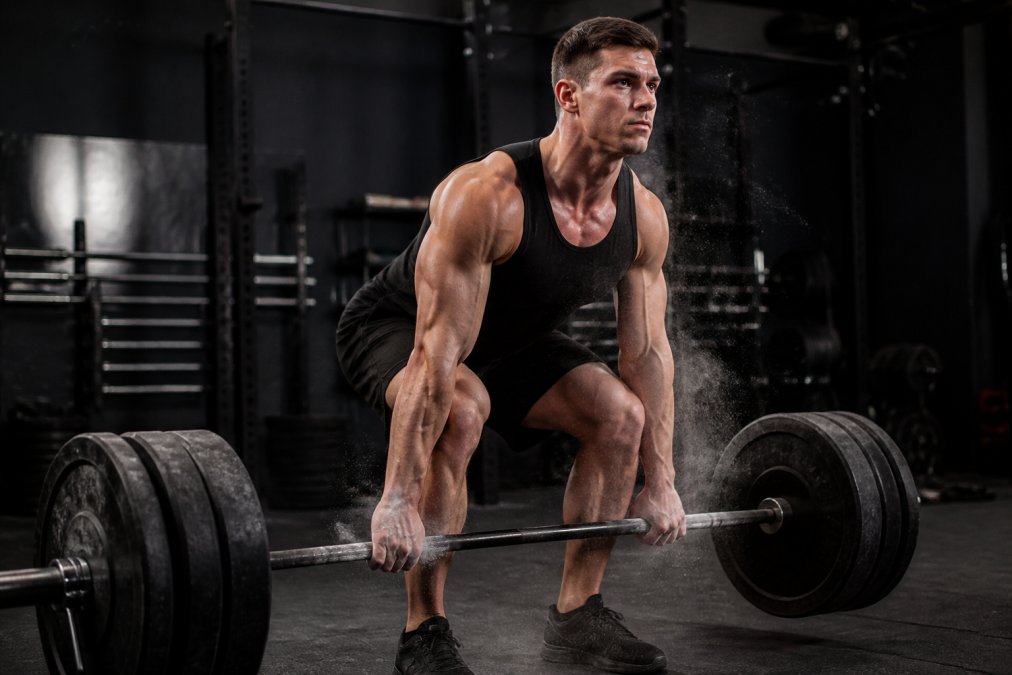
Raise both arms overhead and reach across your body. If the shirt pulls tight across the chest or the hem climbs above your waist, the cut is wrong for lifting. A common mistake is sizing up to fix this. That trades a tight chest for a billowing waist. Look for a relaxed fit with a sleeveless drop arm instead, which keeps the shoulder free through pressing and pulling.
Stitching, Seams, and Construction Signals
Flip the garment inside out. Double-needle stitching at the collar, shoulders, armholes, and hem is the signal you want. Single stitching on a load-bearing seam is where cheap apparel fails first. Taped neck and shoulders, plus a quarter-turned body that prevents a center crease, are two more markers of construction that holds its shape.
The Best Fabric for Weightlifting Apparel
The best fabric for weightlifting apparel balances breathability, stretch recovery, and durability. There is no single winner. The right choice depends on whether you train in a hot gym, lift heavy under a bar, or want one shirt for both the rack and the street. What separates a $40 shirt from a $12 one is almost always the fiber blend and how it was knit, not the logo.
Reading a Fabric Label Like a Buyer, Not a Shopper
Fiber content is listed by weight, highest percentage first. That order tells you what the garment will actually do.
- 100% cotton (ring-spun or combed): Soft hand, breathes well, holds print detail. Absorbs sweat and dries slowly, so it clings when soaked. Best for moderate training, warmups, and street wear.
- 50/50 cotton-poly: The workhorse blend. Polyester adds shape retention and faster drying; cotton keeps the hand soft. Resists pilling better than 100% cotton through repeated washing.
- Cotton-poly with a small spandex share (typically 5-10%): Adds mechanical stretch and helps the garment recover its shape after a stretch instead of sagging at the hem.
- 100% polyester performance knits: Fastest drying and best moisture movement, but can feel slick and hold odor if not treated. Common in compression and training-specific gear.
- Nylon blends: High abrasion resistance and a cool hand. Often used in shorts and tights where friction against plates and benches matters.
Why Blends Outperform Single Fibers Under Load
Cotton alone has poor elastic recovery, stretch it and it stays stretched. Polyester alone has good recovery but no softness. Blending them lets the polyester carry the load-bearing stretch while cotton keeps the surface comfortable against skin. That is the mechanism behind "shape retention": the poly fibers snap back, the cotton fibers cushion.
Moisture-Wicking, Four-Way Stretch, and Anti-Odor Treatments
Moisture-wicking fabric moves sweat away from your skin instead of soaking it up. It works through capillary action in the fiber structure, not through a coating, so it does not wash out. Four-way stretch means the material flexes in every direction, which matters for squats and lunges. Anti-odor treatments slow bacterial growth so a shirt survives a second wear, but they are a finish, and finishes fade with heat and fabric softener. Seamless construction reduces chafing under straps and belts.
A Quick Fabric-to-Training Match
- Powerlifting and heavy barbell work: Mid-to-heavyweight cotton or cotton-poly with minimal stretch. You want the fabric to stay put under a belt and not slide.
- HIIT and conditioning: Lightweight polyester or poly-spandex. You want fast drying and full range of motion.
- Gym-to-street: 50/50 or 60/40 cotton-poly in a relaxed cut. Enough structure to look right outside, enough performance to survive the session.
Quality Gym Clothes for Men: What to Look For Before You Buy
Quality gym clothes for men share a short list of traits: substantial fabric weight, reinforced seams, a cut that clears the shoulders, and color that survives washing. Weight is the fastest filter. A mid-to-heavyweight knit drapes properly and doesn't go transparent when you sweat.
Sizing and Fit for Different Body Types
Sizing for lifting apparel should follow your chest and shoulder measurements, not your streetwear size. Lifters with developed shoulders and chests routinely need to size on width while checking length separately. The single biggest reason online apparel gets returned is a fit mismatch that a tape measure would have caught in thirty seconds.
How to Measure Yourself in Under Two Minutes
You need three numbers, taken with a soft tape over a t-shirt, not over bare skin:
- Chest: Wrap the tape around the fullest part of your chest, under the arms, keeping it level. Breathe normally, do not puff up.
- Shoulder width: Measure from the outer edge of one shoulder point to the other across your back.
- Torso length: Measure from the base of your neck at the back down to where you want the hem to sit (typically just below the waistband).
Compression vs. Loose Fit: Two Different Sizing Logics
Compression gear is designed to fit tight and is sized by body measurement, not by letter. If you are between sizes on a compression top, size up, a compression garment that is too small restricts breathing and rolls at the hem. Loose-fit and relaxed training tops are sized by garment measurement, so you compare the chart's chest and length numbers to your own.
Fit Priorities by Body Type
| Body Type | Fit Priority | What to Check |
|---|---|---|
| Broad shoulders, narrow waist | Shoulder clearance | Armhole depth and drop arm; avoid shirts that pull across the chest |
| Long torso | Length | Hem stays below waist when arms raise; check the chart's body length, not just chest |
| Stocky build | Width without billow | Relaxed fit, not oversized; look for a straight cut rather than a tapered one |
| Lean frame | Structure | Midweight fabric that drapes; avoid very light knits that cling and highlight gaps |
| Tall and lean | Both length and width | Often need a tall size or a longer-cut style; check sleeve and body length separately |
The Two-Second Fit Test Before You Commit
Before you buy, do this with a shirt you already own that fits the way you want:
- Lay it flat and measure pit-to-pit, then double it. That is your target chest measurement.
- Measure from the high point of the shoulder to the hem. That is your target body length.
- Compare both numbers to the online size chart.
If You Are Between Sizes
Size up on the chest and confirm the length works. A shirt that fits the shoulders but rides up is worse than one that is slightly loose at the waist. For layering pieces like hoodies, sizing up also gives you room to wear a tee underneath without the shoulders binding. For compression or fitted training tops, stay true to your measured size and let the fabric do the work.
How to Care for Lifting Apparel So It Lasts
Washing lifting apparel in cold water and air-drying it is the single biggest factor in how long it lasts. Heat is what kills stretch recovery, fades prints, and shrinks cotton. Turn garments inside out, skip fabric softener because it coats performance fibers, and wash with similar colors.
- Cold wash, gentle cycle
- Air-dry or tumble low
- No fabric softener or bleach
- Wash inside out to protect prints
- Store folded, not on wire hangers
What $18 to $45 Actually Buys You Online
Spending between $18 and $45 online buys you a meaningful step up in fabric weight and seam construction, provided you know what to inspect. At the low end, a short-sleeve unisex t-shirt in 100% ring-spun cotton with double stitching at the neckline and sleeves covers training and casual wear. Mid-range, a unisex hoodie in a 50/50 pre-shrunk cotton-poly blend adds a double-lined hood, rib-knit cuffs with spandex, and a front pouch pocket for warmups and street wear.


Frequently Asked Questions
What materials should I look for in high-quality lifting apparel?
Look for ring-spun cotton for softness and breathability, or cotton-polyester blends for durability and reduced pilling. For moisture-wicking performance, polyester blends with four-way stretch move with your body during squats and presses. Check for double-needle stitching on collars, shoulders, and hems, since those seams take the most stress. Pre-shrunk fabrics hold their fit after washing. If you want a tank that stays soft through repeated training sessions, 100% combed ring-spun cotton is a solid choice. The fabric should feel substantial, not paper-thin.
How can I tell if gym clothes are durable before buying online?
Read the construction details, not just the photos. Double-needle stitching, taped neck and shoulders, and quarter-turned bodies all signal a garment built to survive repeated washing and heavy use. Fabric weight matters too: mid to heavyweight knits resist stretching out at the neckline and hem. If a listing does not mention stitching or fabric weight, that is a red flag. Also check whether the brand publishes a size guide with actual measurements, because a brand confident in its fit usually gives you the numbers upfront.
Is it worth investing in expensive lifting apparel?
It depends on how often you train. A $44.50 hoodie that survives two years of daily gym use costs less per wear than a $15 one that pills and loses shape in three months. Higher-priced lifting apparel typically uses better fabric, stronger seams, and pre-shrunk construction, so it keeps its fit. If you train four or more days a week, the math favors buying quality once. If you train occasionally, a mid-range piece like an $18.88 ring-spun tee gives you most of the durability for less upfront cost.
How should lifting apparel fit for optimal performance?
Your shoulders and chest need room to move through a full range of motion without the fabric pulling tight. A relaxed fit through the torso works for most lifts, while sleeves should not restrict overhead pressing. Check the brand's size chart against your actual measurements, not your usual size, because fitness apparel runs differently across brands. For tanks and tees, the drop arm and shoulder-to-shoulder taping matter more than the labeled size. If a garment binds at the armpit or rides up during a squat, size up.
Building a kit that survives heavy training while looking sharp outside the gym is the real challenge. JACKED N TAN makes it simpler with premium fitness-inspired apparel built for both sessions and streetwear, including hoodies, tees, tanks, and caps designed around comfort, confidence, and a mindset of discipline and progress. Start with one piece, test the fit, then build from there. Get started with JACKED N TAN and shop the drop.