

Table of Contents
- What Makes a Hoodie Right for Heavy Lifting?
- Fabric Weight (GSM) and Material Blends Explained
- The Benefits of Wearing Hoodies While Lifting
- Key Features: Fit, Mobility, and Hardware Durability
- Top Workout Hoodies for Heavy Lifting: Quick Comparison
- How to Wash Lifting Apparel for Maximum Longevity
- Conclusion: Choose the Hoodie That Matches Your Training
- Frequently Asked Questions
Last Updated: September 7, 2026
What Makes a Hoodie Right for Heavy Lifting?
The best workout hoodies for heavy lifting do more than keep you warm between sets. They preserve your range of motion during a deep squat, resist pilling where the barbell drags across your back, and manage sweat. A hoodie built for lifting is fundamentally different from a casual pullover, and the difference comes down to three things: fabric weight, cut, and hardware.
At JACKED N TAN, we design apparel for athletes who treat every session with intention. If you have ever torn a cheap hoodie on a knurled bar or felt the shoulder seam bind during an overhead press, you already know why this matters. The right hoodie is a training tool, not just a layer.

Fabric Weight (GSM) and Material Blends Explained
GSM, or grams per square meter, measures fabric density. It is the single most useful number when shopping for lifting apparel because it tells you exactly how heavy and durable the material will be. Here is the framework that matters.
A GSM-to-Temperature Guide for Lifters
Your gym's ambient temperature is the single biggest factor in choosing the right GSM:
- 180-220 GSM (Lightweight): Best for gyms kept at 72°F or warmer, or for lifters who run hot and sweat heavily. This weight breathes well and is easy to strip off between sets. The tradeoff is durability, it will show wear faster under barbell friction and may stretch out at the shoulders over time.
- 240-280 GSM (Midweight): The sweet spot for most commercial gyms kept between 65°F and 72°F. This range offers enough density to hold its shape under a loaded bar while still allowing moisture to escape. It is also the most versatile for gym-to-street wear across three seasons.
- 300-350 GSM (Heavyweight): Reserved for cold garage gyms, unheated warehouses, or outdoor training in temperatures below 55°F. This weight provides serious insulation and durability, but you will overheat quickly in a standard climate-controlled gym. It is also the most likely to restrict movement if the cut is not athletic.
- 350+ GSM (Ultra-Heavyweight): This is fashion-territory fabric, often used in 'premium' streetwear hoodies. It is too stiff and heavy for most lifting movements, especially overhead pressing and cleans. Avoid it for training unless you are only doing slow, heavy squats in a cold environment.
Material Blends: The Trade-Offs Nobody Explains
A 50% cotton, 50% polyester blend hits the sweet spot: cotton gives comfort and breathability, while polyester adds durability and moisture-wicking properties. Some blends use air-jet spun yarn, which creates a softer feel and significantly reduces pilling over time.
But the blend ratio matters more than most lifters realize:
- Higher cotton content (60-70%): Softer feel and better absorption, but heavier when wet and slower to dry. If you sweat heavily, a high-cotton hoodie will feel like a wet towel by set three and can chafe your neck during squats.
- Higher polyester content (60-70%): Dries faster and resists odor better, but can feel less breathable and may develop a 'plastic' smell over time if not washed properly. It also tends to pill less than cotton.
- Cotton-poly blends with spandex (2-5%): Adds stretch for mobility, which helps in the shoulders and arms during pressing movements. The tradeoff is that spandex degrades faster with heat and chlorine, so these hoodies have a shorter lifespan.
The Pilling Test
Pilling is the #1 complaint among lifters who train with barbells. The knurling on a bar acts like sandpaper against the fabric on your back during squats and on your forearms during cleans. A quick test: rub the fabric against itself vigorously for 10 seconds. If you see fuzz or small balls forming, it will pill within weeks of training. Air-jet spun yarn is the main manufacturing technique that resists this, but it adds cost.
How to Check GSM Before You Buy
Most product listings do not advertise GSM, but you can find it in the technical specifications or by asking customer service. If unavailable, use the 'hand test': a 240 GSM fabric feels substantial but not stiff, a 300 GSM fabric feels like a light blanket, and a 180 GSM fabric feels like a standard t-shirt with a hood.
The right GSM is not about what is 'best' in the abstract, it is about matching the fabric to your gym's temperature and your training style.
The Benefits of Wearing Hoodies While Lifting
Wearing a hoodie during training is not about fashion. It is about keeping your muscles warm and your joints mobile when it matters most. Warm muscles move better, and a hoodie traps body heat to keep your shoulders, back, and elbows primed between heavy sets (acefitness.org). American Council on Exercise guidance on warm-up benefits confirms that raising muscle temperature before resistance training improves performance and reduces injury risk, which is exactly what a training hoodie helps you do.
A quality hoodie also protects your skin from the aggressive knurling on a barbell during back squats and cleans, and absorbs sweat so you are not wiping your hands on your shirt between pulls. For lifters who train in cold gyms or early mornings, a double-lined hood provides extra insulation where you lose the most heat.
The psychological edge matters too. Many lifters report that a heavy hoodie creates a sense of focus and readiness, like armor before a fight. That ritual is part of why the best workout hoodies for heavy lifting have become a staple in strength sports.
Movement-Specific Fit: How Your Hoodie Affects Each Lift
The real test of a lifting hoodie is how it behaves under a loaded bar across different movements. Here is how cut and construction affect the main barbell lifts:
- Back Squat: The bar rests across your upper traps and rear delts. A hoodie with a bulky center seam or thick hood zipper can create a pressure point that shifts your bar position. Look for a flat-lock seam construction and a hood that sits flat when down. Sleeve bunching at the shoulder can also push the bar forward, so a fitted shoulder with a tapered sleeve is preferable to a baggy drop-shoulder cut.
- Deadlift: The start position requires your lats to be engaged and your arms fully extended. A hoodie with excess fabric in the armpits or a restrictive chest panel will pull taut across your lats as you set your back, altering your start position. A quarter-turned body eliminates the center crease that can dig into your spine during the pull.
- Overhead Press: This is where sleeve length matters most. Long, baggy sleeves can bunch up at the shoulder as you press, creating a physical block at the sticking point. Cuffed sleeves that stay in place when you raise your arms overhead are non-negotiable. The hood itself can also be a problem; a heavy double-lined hood will pull the back of the collar down when you look up, so a lighter hood or a hoodie designed to be worn with the hood down is better for strict pressing.
- Bench Press: The bench is the least demanding on hoodie design, but fabric bunching under your shoulder blades can destabilize your setup. A smooth back panel with minimal seams helps you maintain a tight arch.
The Warm-Up Set Protocol
A common pattern among competitive lifters is to wear a hoodie for the first 20 to 30 minutes of a session, then shed it for working sets. The hoodie raises your core temperature quickly, increasing blood flow to the working muscles. Wearing it during warm-up sets at 40-60% of your working weight is enough to get a light sweat going without overheating.
The Hood-Up Cue
Beyond physical warmth, the hood itself serves a coaching function. Pulling the hood up before a heavy squat or deadlift single creates a 'tunnel vision' effect that narrows your visual field, reduces distractions, and helps you focus on the setup.
The best workout hoodies for heavy lifting are the ones that disappear during the lift, no bunching, no binding, no pressure points, so you can focus entirely on the bar.
Key Features: Fit, Mobility, and Hardware Durability
Fit is the first consideration. An oversized fit gives you freedom through the shoulders and chest, but it can catch on the bar during a squat. A tapered athletic cut follows your body without restricting movement, the best option sits close through the torso but leaves room in the shoulders and arms for a full range of motion.
Mobility starts with the fabric construction. A quarter-turned body eliminates the center crease that can dig into your spine during pressing movements. Look for a hoodie that moves with you during an overhead press or deadlift setup, not one that pulls taut across the lats.
Hardware durability is the detail nobody talks about until a drawstring snaps mid-session. A double-lined hood with a matching drawcord holds up to repeated pulling. Cuffed sleeves stay in place when you roll them up for wrist wraps or push them down for elbow sleeves. Every seam and zipper should handle the friction of a loaded barbell.
| Feature | What to Look For | Why It Matters |
|---|---|---|
| Fabric Weight | 240-300 GSM | Durability under barbell friction |
| Fit | Athletic cut, tapered torso | Full range of motion without snagging |
| Hood | Double-lined with drawcord | Insulation and hardware longevity |
| Sleeves | Cuffed | Stay put during lifts and wraps |
| Seams | Quarter-turned body | No center crease on your spine |
Top Workout Hoodies for Heavy Lifting: Quick Comparison
A great lifting hoodie combines heavyweight construction with a fit that never limits your movement. The JACKED N TAN Unisex Hoodie is built from a 50% pre-shrunk cotton, 50% polyester blend with air-jet spun yarn, which resists pilling and holds its shape through hundreds of sessions. The double-lined hood and matching drawcord handle years of abuse, and the quarter-turned body prevents that annoying center crease during pressing movements.
At $44.50, it delivers durability and value. The cotton-poly blend balances breathability with insulation, making it versatile enough for both heavy gym sessions and everyday streetwear.
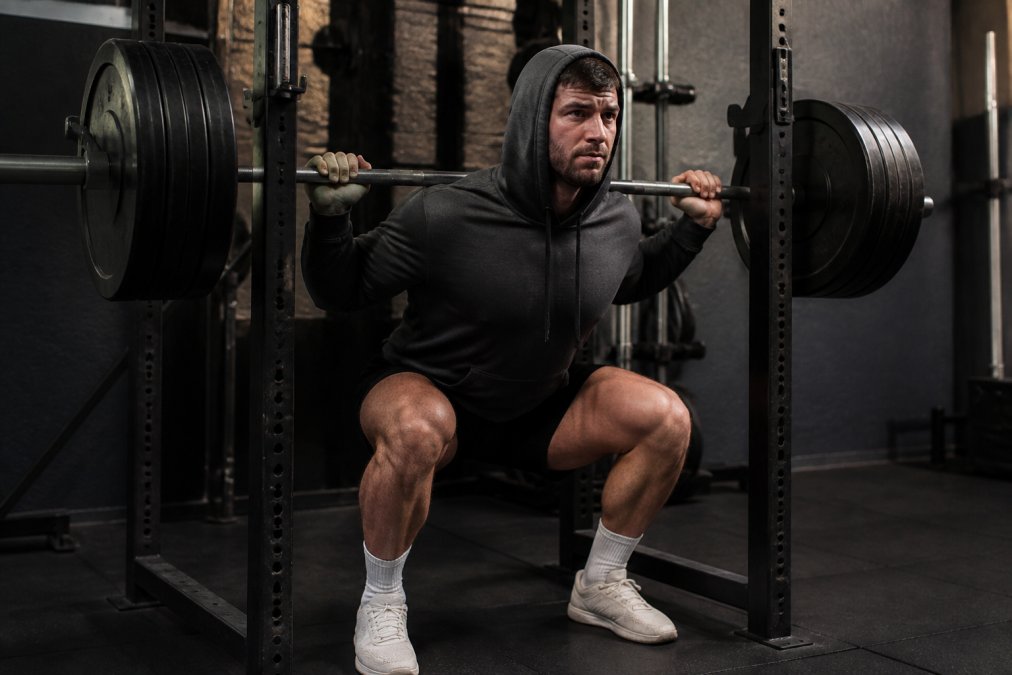
The gym-to-street versatility is what separates a true lifting hoodie from a one-purpose garment. You can wear it for warm-up sets, strip it off for working sets, then throw it back on for the drive home.
How to Wash Lifting Apparel for Maximum Longevity
The way you wash lifting apparel determines how long it lasts. How to wash lifting apparel starts with reading the care label, but a few universal rules apply to nearly every performance fabric.
First, wash your hoodie inside out to protect the outer surface from friction, the primary cause of pilling. Use cold water, because hot water breaks down elastic fibers and accelerates fading. Skip fabric softener entirely; it coats the cotton-poly blend and reduces moisture-wicking ability over time.
Air drying is the single best thing you can do for garment longevity. The heat from a dryer shrinks cotton and degrades polyester fibers, even on low settings. Hang your hoodie flat or on a line, and it will hold its shape and color far longer.
Conclusion: Choose the Hoodie That Matches Your Training
The best workout hoodies for heavy lifting share one thing in common: they are built to handle the specific demands of strength training. That means heavyweight fabric in the 240-300 GSM range, a cut that preserves your range of motion, and hardware that survives repeated abuse.
JACKED N TAN builds apparel for lifters who want durability, comfort, and style in one package. Our Unisex Hoodie combines a 50% pre-shrunk cotton, 50% polyester blend with a double-lined hood and quarter-turned body, so it performs under the bar and looks sharp beyond the gym. For lifters who want a hoodie that reflects their discipline, industry guidance on performance fabric care reinforces that quality construction and proper maintenance go hand in hand.
Get started with JACKED N TAN and find a hoodie that matches the weight you move and the standards you hold.
Frequently Asked Questions
Are cotton or synthetic hoodies better for intense gym sessions?
For intense sessions, a cotton-poly blend is often the better choice. Pure cotton absorbs sweat and becomes heavy, while a blend with polyester offers moisture-wicking properties to keep you drier. The JACKED N TAN Unisex Hoodie uses a 50% pre-shrunk cotton, 50% polyester blend, balancing softness with sweat management. This helps regulate temperature during heavy lifting without sacrificing comfort.
How should a lifting hoodie fit for maximum mobility?
A lifting hoodie should have an athletic or oversized fit that allows for a full range of motion. It should not be so tight that it restricts your shoulders during a press or your back during a deadlift. Look for designs with a quarter-turned body to avoid a crease down the middle, which can cause bunching. This ensures the fabric moves with you, not against you, during your training session.
What features should I look for in a hoodie for heavy lifting?
Prioritize heavyweight fabric for durability and warmth, a double-lined hood with a drawstring for a secure fit, and cuffed sleeves that stay in place. A relaxed or athletic cut is crucial for mobility. Also, check the stitch quality and hardware, like the zipper on a zip-up, to ensure it can withstand frequent washing and intense movement. These features determine garment longevity.
Do I need a moisture-wicking hoodie for weightlifting?
Yes, moisture-wicking is important for weightlifting. While you may not sweat as much as during cardio, you still sweat, and a wet hoodie can become heavy and cold. A technical fabric blend, such as cotton-poly, pulls sweat away from your skin, helping with temperature regulation. This keeps you comfortable during warm-ups and heavy sets, preventing chafing and distraction.
Choosing the right hoodie comes down to matching the fabric and fit to your training style. The JACKED N TAN Unisex Hoodie delivers the durability, mobility, and versatility that heavy lifters need, backed by a design that transitions from platform to street. SHOP THE DROP and train in gear built for the work you put in.